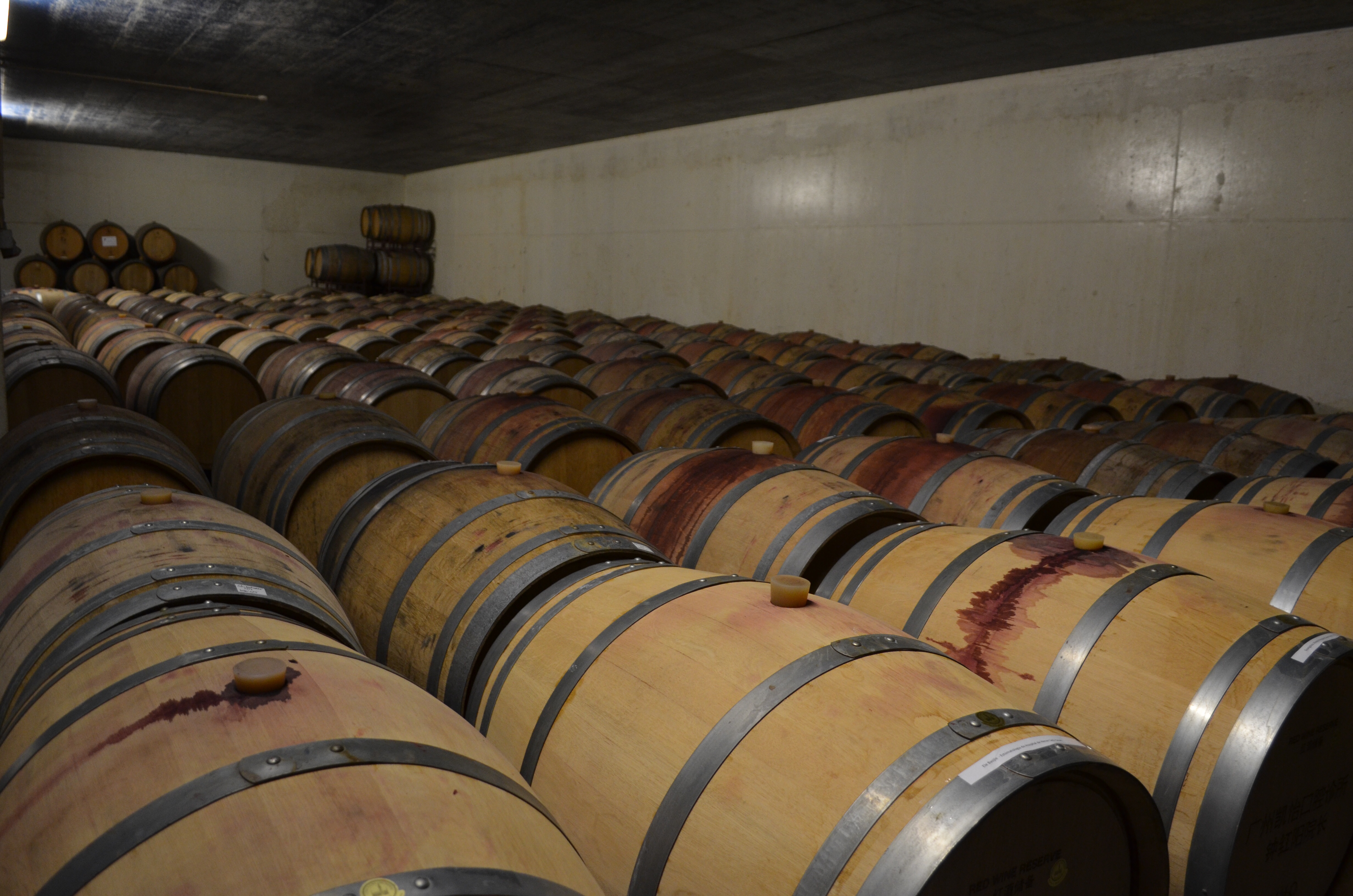
 Quinta de Catralvos, the site of Malo Tojo, is only a 45-minute drive from Lisbon. Approaching the winery, we drive parallel to a vineyard planted with Castelão vines, still barren in early March. Giant urns line the winery courtyard, which overlooks a small grove of orange trees, bordered on all sides by more vineyards—these planted with Moscatel Roxo and Moscatel de Setúbal. Inside the winery, stainless steel fermentation tanks sit silent, and new French oak barrels—blood-red juice stains around their plugs—contain what will soon be bottled as the 2014 vintage of Malo Tojo Tinto, the quinta’s entry-level wine.
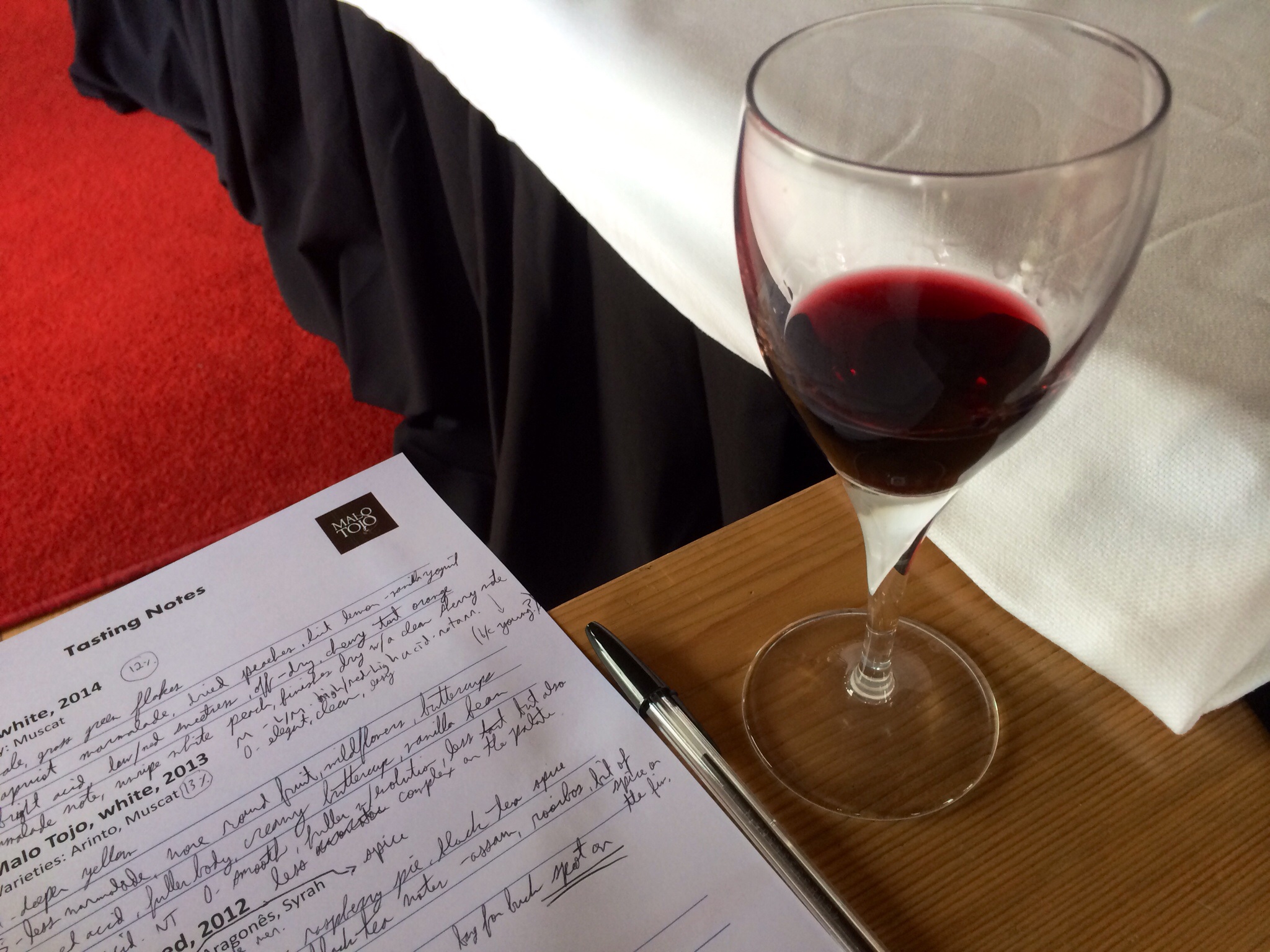
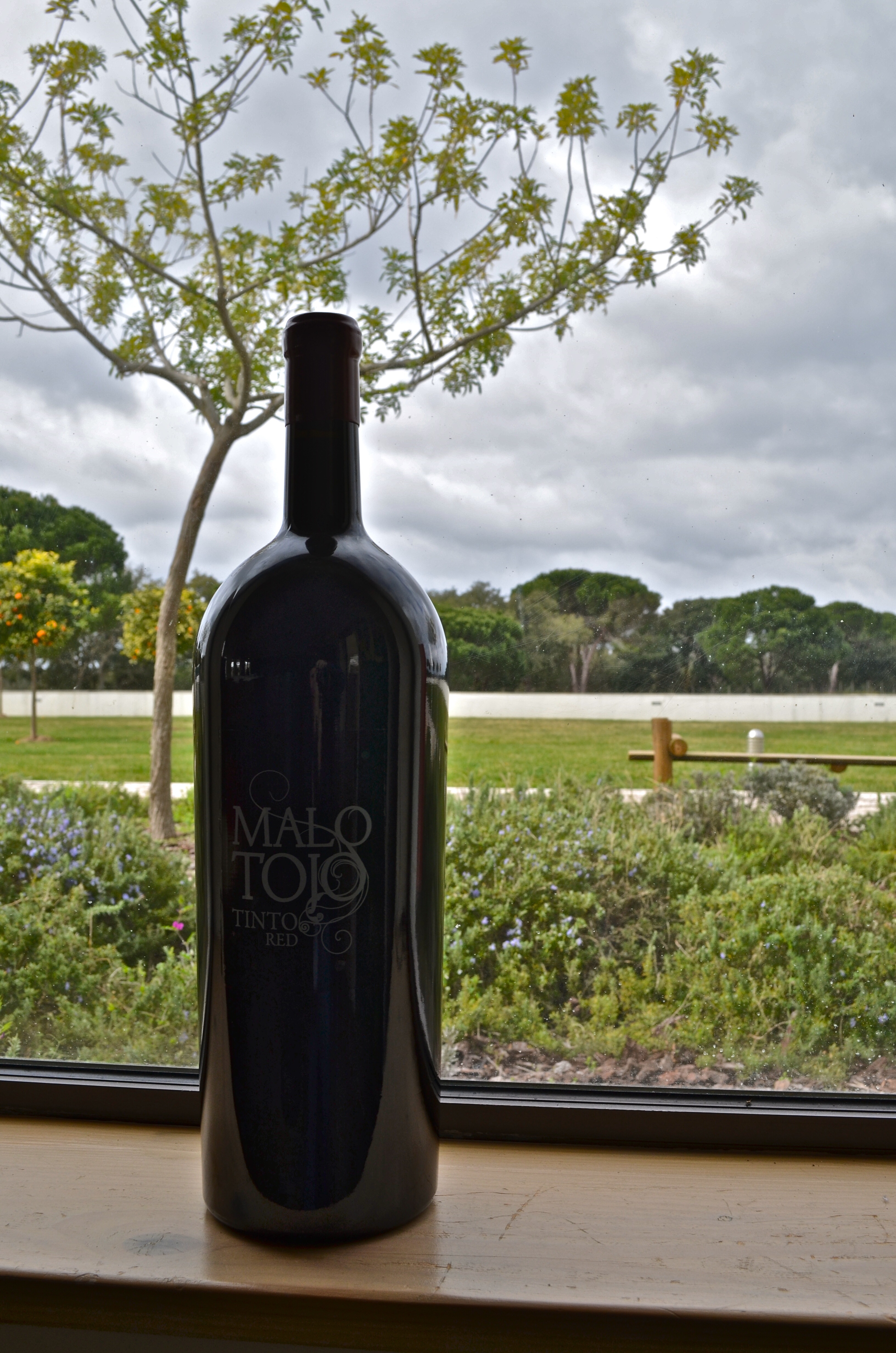 The current vintage of Malo Tojo Tinto is the 2012, a blend of Castelão (60%), Aragonês (35%), and Syrah (5%). As he pours the wine, Winery Director Hélder Galante explains the role each grape plays: Castelão, the main red grape of Portugal’s Setúbal Península, is fresh and fruity, with high acid and ripe tannins. The addition of Aragonês (aka Tempranillo) balances the acidity of the Castelão, and Syrah provides the wine’s dark red color. The nose is mostly berries—black, blue, rasp—while the palate offers flavors of Assam and rooibos teas, a tart cherry note, and a spicy finish. This wine is fine without food, but I could see it going well with hot dogs and hamburgers, chicken mole, or steak with rosemary balsamic marinade. Malo Tojo Tinto is just what I look for in table wine—vibrant flavor at a generous price. I don’t know what it’ll cost on the New York market, since it’s not yet on the New York market (we’re working on that), but I don’t think this bottle will run much more than the €3 the winery charges in their tasting room.
 Of all the Old World wine countries, none delivers such high-quality juice at such a low price as Portugal. Malo Tojo Tinto is the perfect example of this happy phenomenon. As soon as you can get it in New York, I’ll let you know.
Visit Malo Tojo online at www.malotojo.com


Leave a Reply