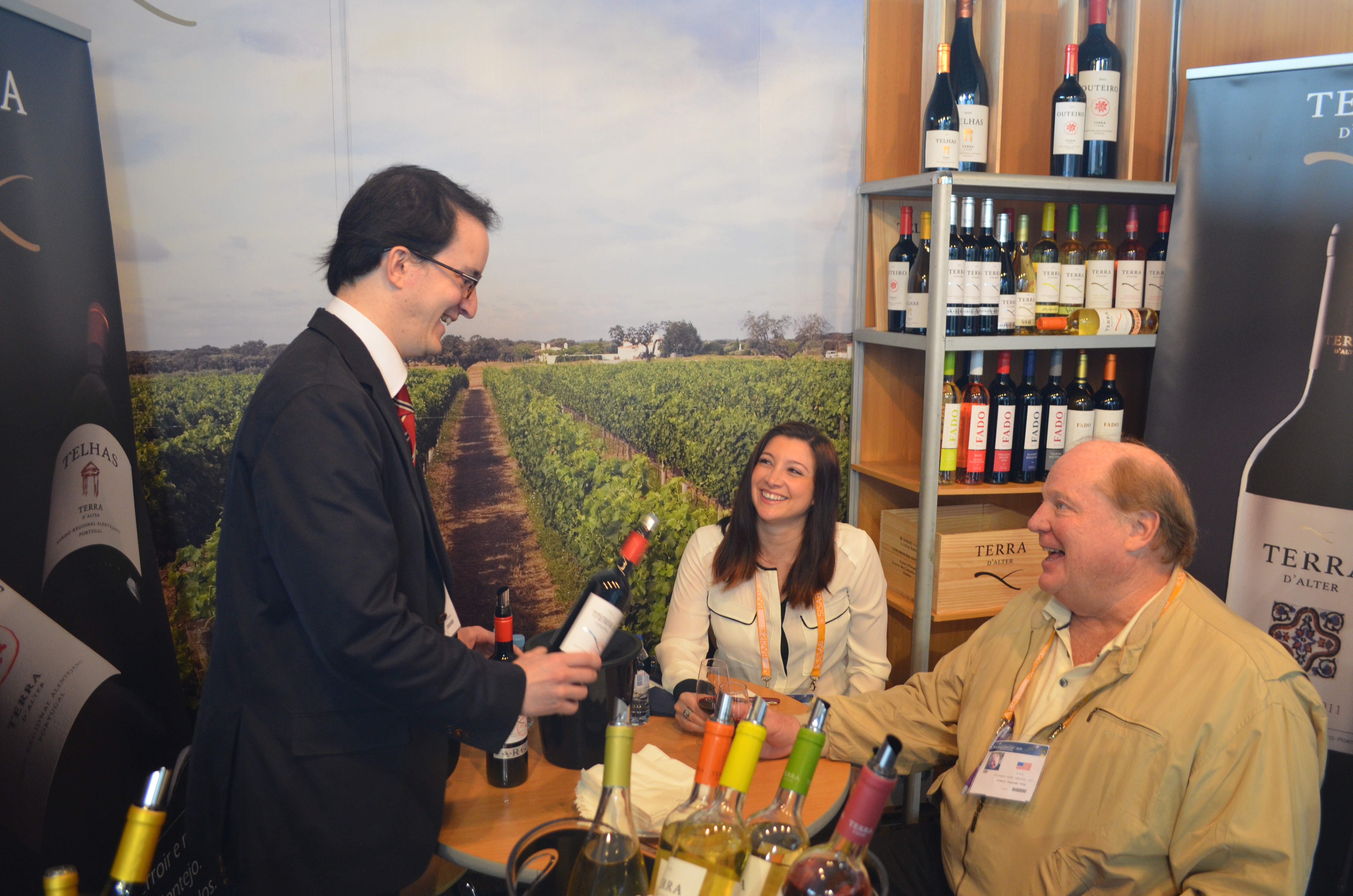
 As the manager of a wine shop, nothing drives me crazier than the question, “Where are your sulfite-free wines?”
First of all, sulfites, while more often than not added as a preservative, also and always—repeat, always—occur naturally in wine. Second, if you don’t get a sulfite headache from eating raisins, you won’t get it from drinking wine. A little red box of Sun-Maids packs more sulfites than any bottle in my store. Third, you don’t have a headache because of sulfites, you have it because of histamines—or because you drank too much.
Generally speaking, when I see a wine label that says “sulfite-free,” I grimace. But by the time I got to Terras de Alter’s sulfite-free reds, I was so deeply in love with their wines that you could have written “baby blood” on the bottle and I still would’ve quaffed it. This Alentejo winery is the perfect introduction to Portugal, and it’s largely because of their single-grape wines. In a nation where most bottles are a blend of two to five of Portugal’s over 250 hard-to-pronounce indigenous varietals, it’s a blessing to be able to drink a Síria, an Alfrocheiro, or an Aragonês on it’s own. Once you know what these grapes are like as sexy singles, you can better appreciate what they contribute to the blends that are so common across this country. Terras de Alter makes many monovarietal wines, and they make them very, very well.
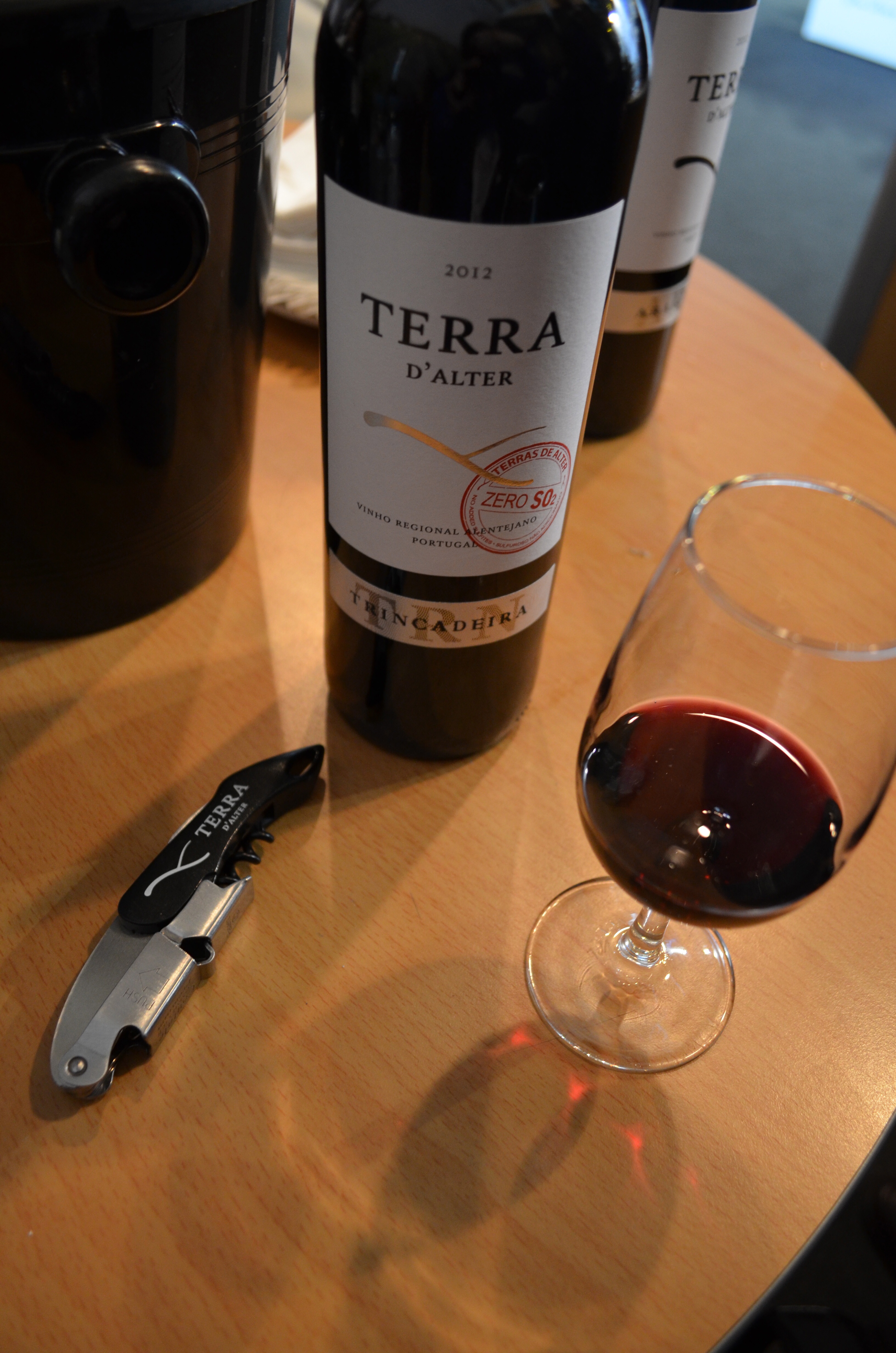 I enjoyed their Trincadeira—the rose petal nose, the dark plum palate, the hint of red peppercorn on the finish—but then I got to their sulfite-free Trincadeira, and I liked it even better. The “Terra d’Alter” Zero SO2 Trincadeira was as opaque as its sulfite-swollen sister, but had a much meatier scent: blood sausage, burnt garlic, cooked spinach. Some of the same dark fruit flavors were present, but they were joined by notes of paprika and roasted red pepper. This wine was medium-bodied, with medium-high acidity, spicy tannins, and a pleasantly prickly long finish. I’d serve it with a soft cheese coated in black pepper, thin-sliced sausage (salsichão or chourição), or porco preto—those chubby black pigs that roam around the Alentejo region eating acorns, filling themselves up with rich, delicious omega-3s and 6s—all for our health and enjoyment.
Visit Terras de Alter online at http://www.terrasdealter.com/


Leave a Reply