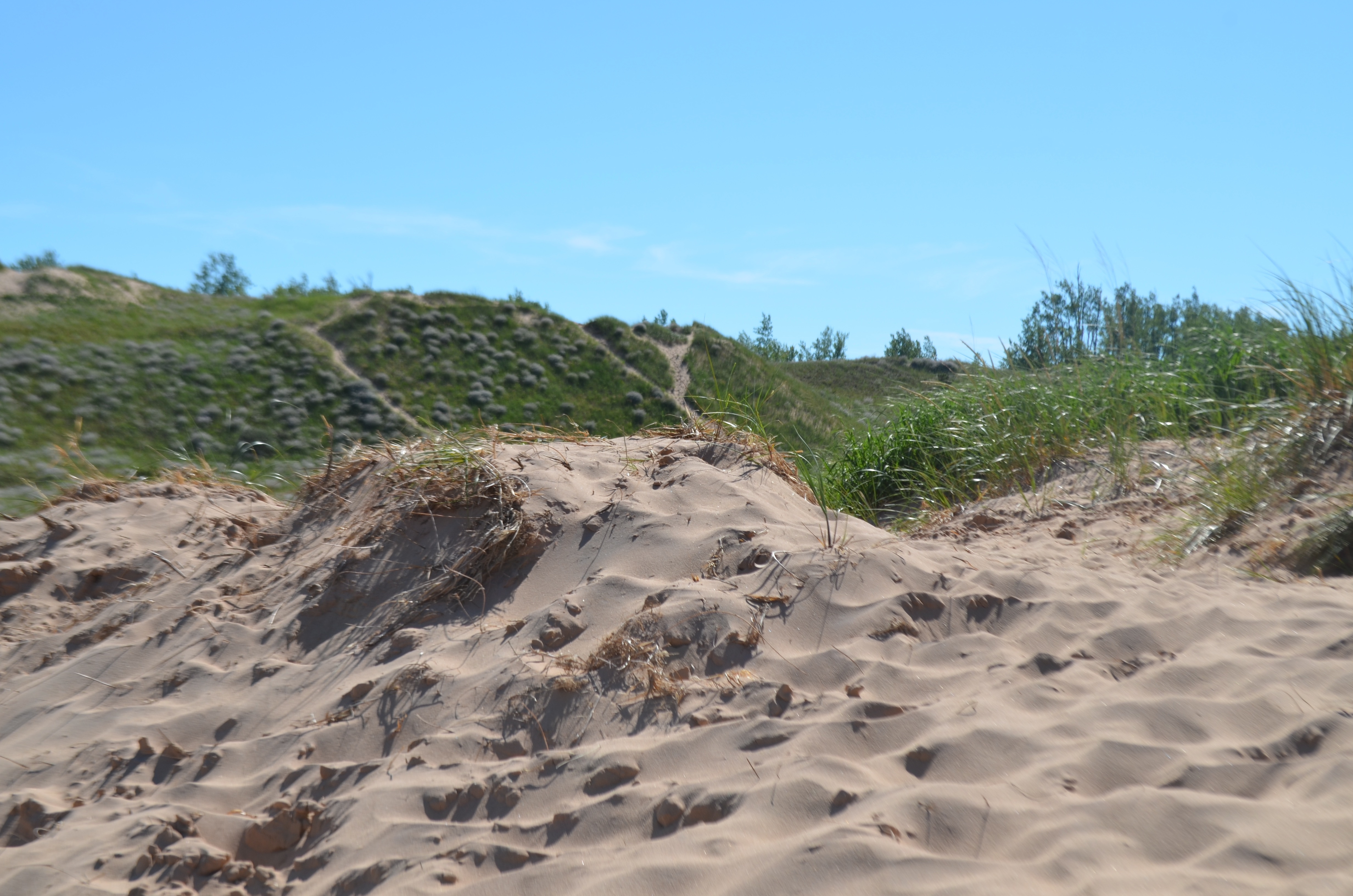
 A mother bear and her two cubs, the Ojibwe story goes, were driven by fire or famine—different tellings offer different reasons—to swim the 118 miles from Wisconsin to Michigan. The mother made it across Lake Michigan; her cubs did not. Gitche Manitou (the Great Spirit), seeing the bears’ love for each other, raised up the cubs as North and South Manitou Islands, and cast a shroud of sand over the mother, who became the Sleeping Bear Dune.
Today’s Sleeping Bear Dunes inherit their name from this legend, though years of human fire suppression and the erosive effects of wind, water, and time have changed the face of the land. It’s difficult now to distinguish which of the dunes we traverse once resembled a slumbering bear.
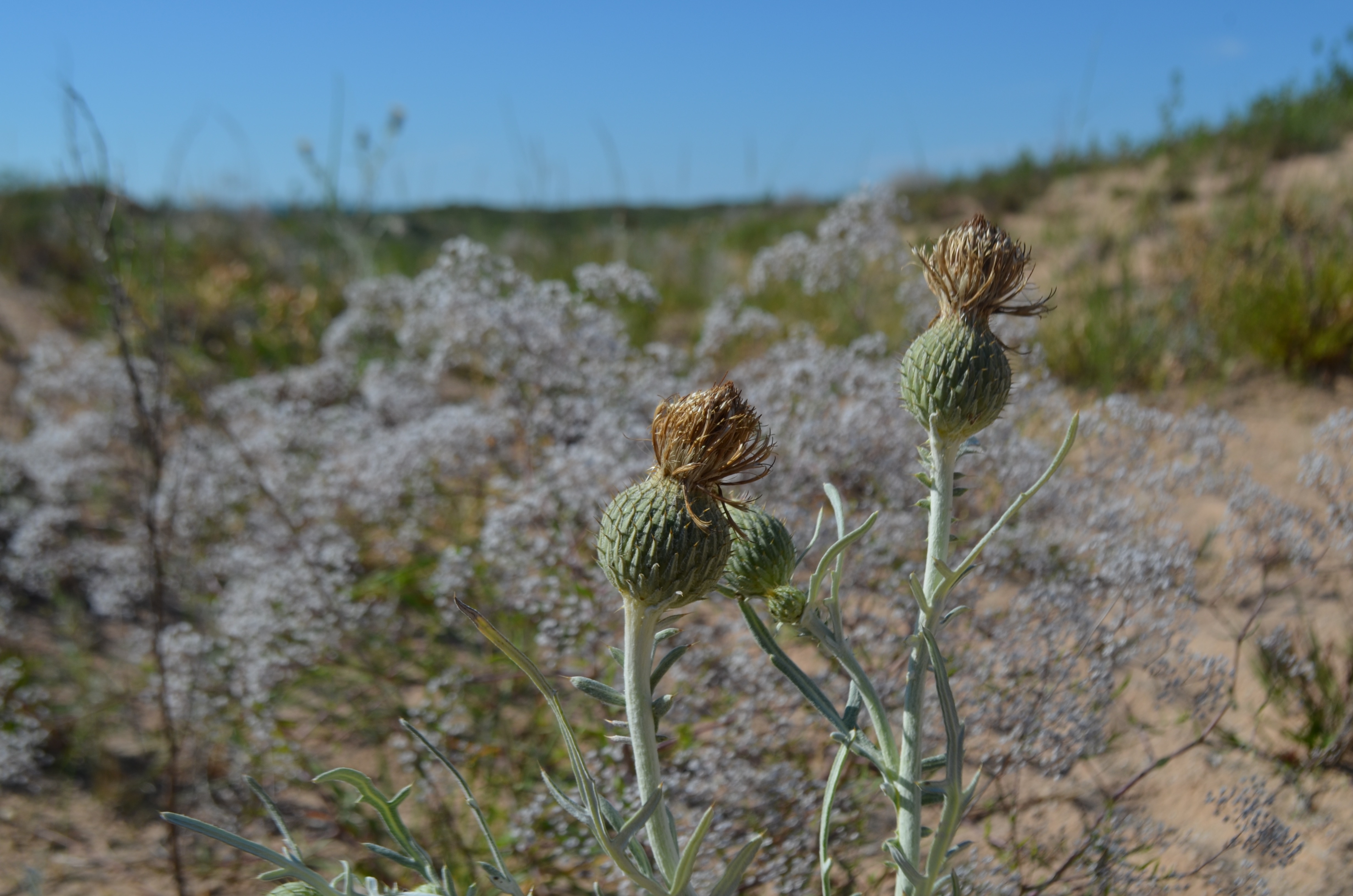 I’ve come here with a childhood friend and future colleague to see Lake Michigan, which is farther from the parking lot than I imagined. The Dune Climb is a mile and a half, and most of it, obviously, is a climb. We clamber past poplar trees and Pitcher’s thistle, and people trying to catch Pokemon (my cell loses service before I can find a Krabby). The sand off the main trail is loose—we slide half a step down for every step up, but after an hour or so we reach the lakeshore.
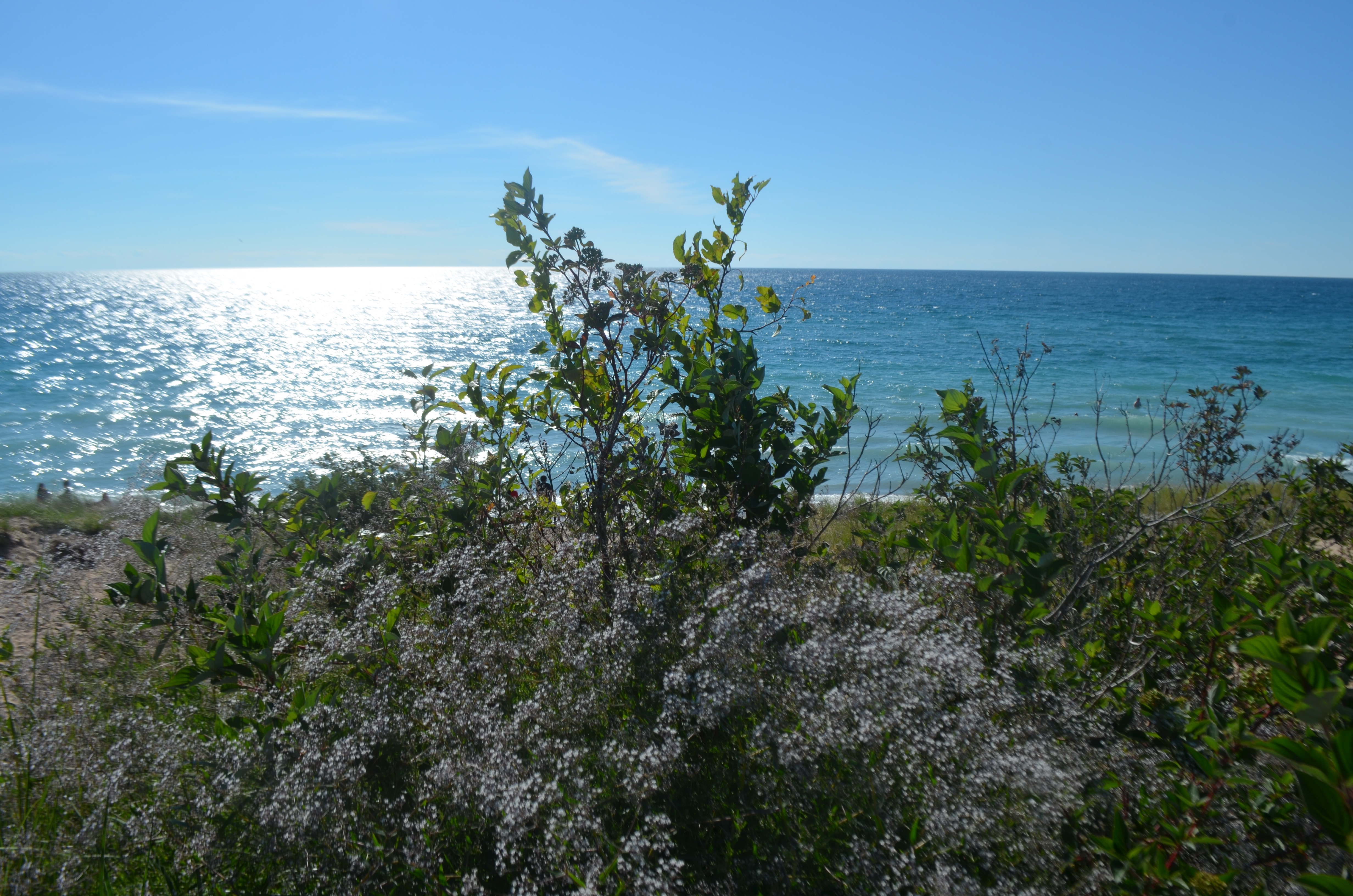 I think about how we call the Sea of Galilee a sea and the Dead Sea a sea, even though they’re both lakes, and how we call Lake Michigan a lake, though from its shore it resembles an ocean. The water tastes good, it feels neither unclean or uncomfortable, it stretches—uninterrupted teal—to the horizon. Somewhere past this horizon are Green Bay, Milwaukee, Chicago, but I can’t see them. This makes me feel small, and I like that.


Leave a Reply