 “Peculiar travel suggestions are dancing lessons from God,” wrote Kurt Vonnegut, who went to my alma mater, where he behaved considerably worse than I did.
I took a peculiar travel suggestion last Sunday—to spend a week of hiking and community service at Livnot U’Lehibanot, “To Build and Be Built,” a Tzfat-based NGO that seeks to connect participants to Jewish community and identity. I didn’t know anything about the program at the time, and was reluctant to relinquish the freedoms of solo travel to the restrictions of program life, but the girl who invited me to join her was gorgeous, so I signed up immediately.
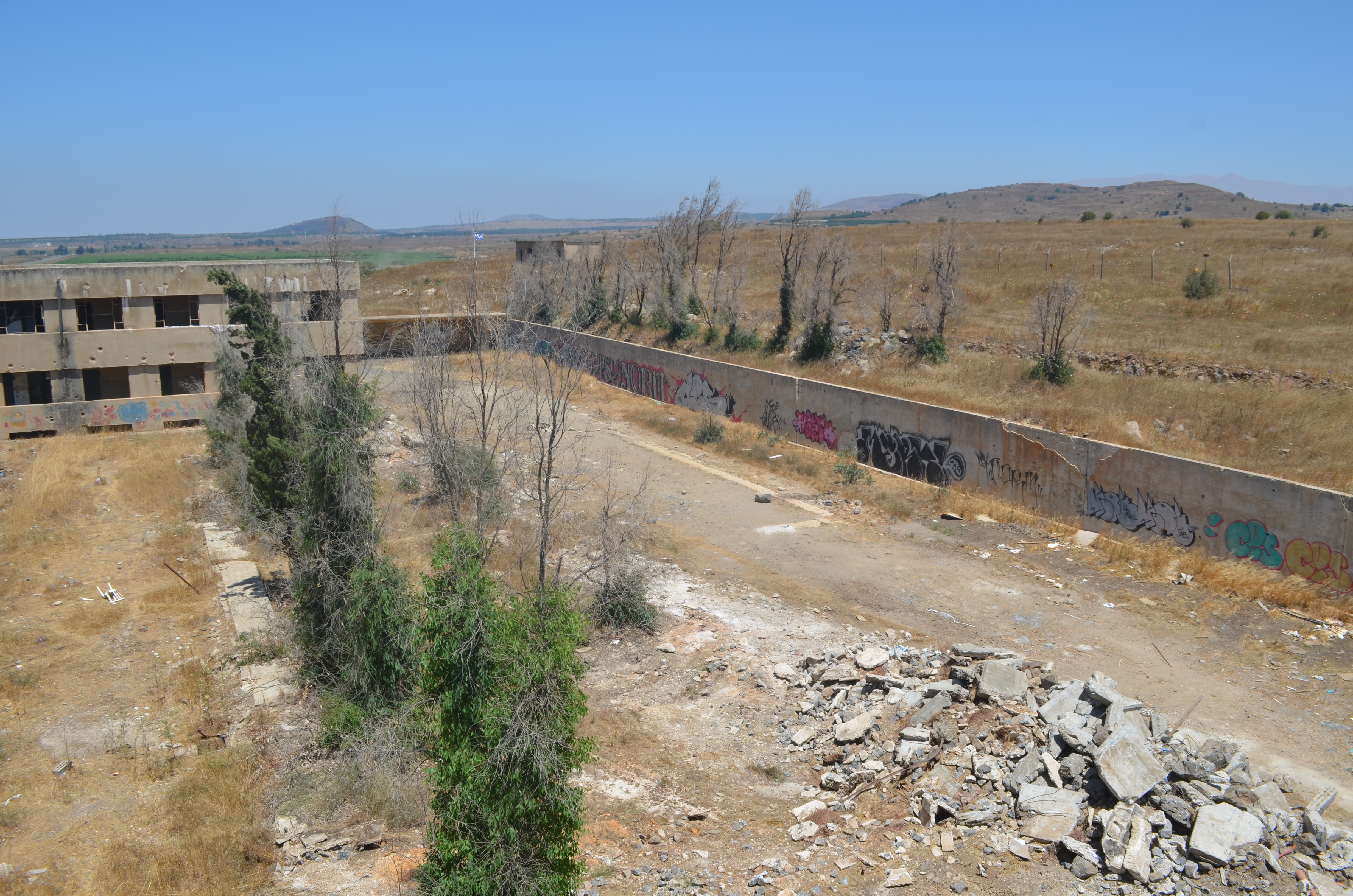
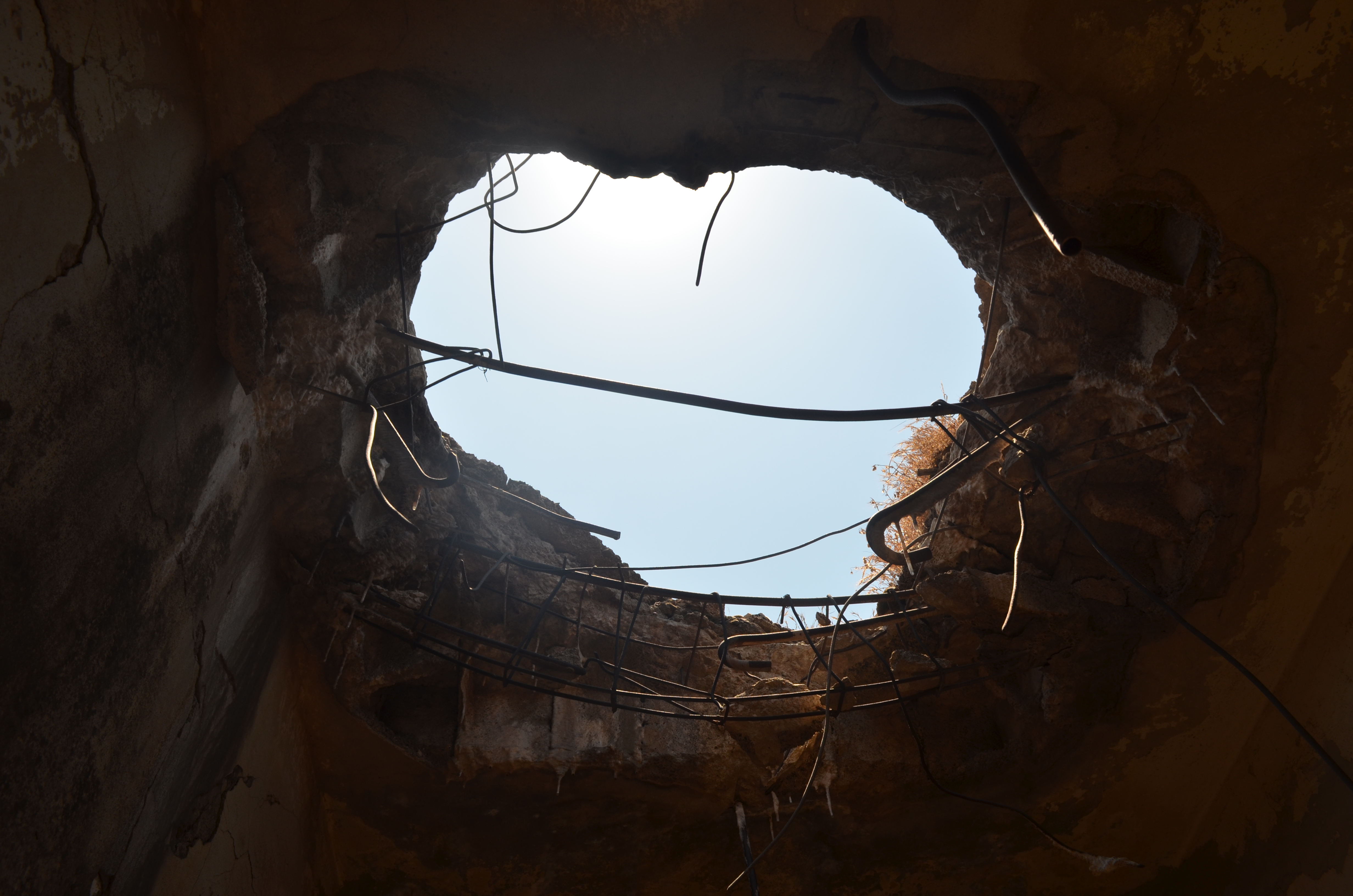
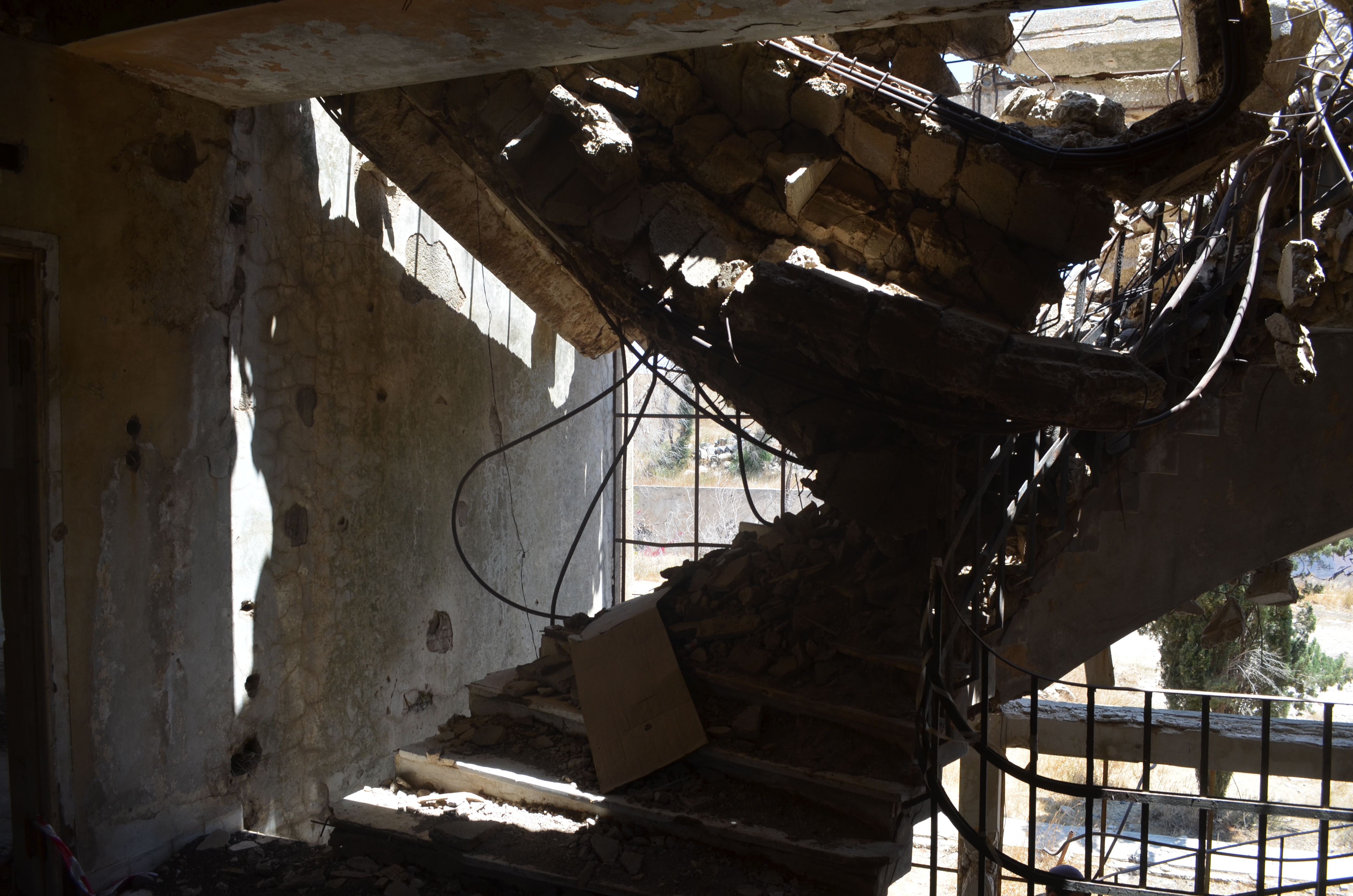 I’ve made many bad decisions for beautiful women, but this was not one of them. Through Livnot, I’ve climbed the slopes of the thorniest mountain in Israel, schlepped limestone boulders out of the ruins of a 500-year-old bakery, and (life achievement!) cooked Shabbat dinner for sixty people. So far, however, my favorite activity was a security tour of Israel’s northern borders led by Elliot Chodoff, a man who knows more about the Middle East than most people who were born here. We drove to the Valley of Tears, to the former Syrian command bunker at Quneitra, to Mount Bental, and to the Col. Rachimov Monument on the Lebanese border, discussing the history and current state of Israel’s relationships with its neighbors and its own Arab population.
 There is a tendency in American parlance to simplify conflict in the Middle East. We like to root for the underdog, to think in terms of good versus evil, to believe in the viability—even the inevitability—of peace. But conflict in the Middle East is anything but simple—it is a Gordian Knot of sectarian violence, pulled all the tighter by forces of nationalism, fundamentalism, greed, and revenge. To put it bluntly, conflict in the Middle East is a big, fat, fucking mess. Over fifty jihadi groups operate across the Syrian border alone, and while they spend most of their time blowing each other up, their sights are set on Israel. The Israeli government has and will continue to come under scrutiny for its decisions—as, indeed, it should. But for any legitimate criticism of warfare or occupation, and for any feasible plan for peace or progress, the stark realities of yesterday and today must be studied and taken into consideration.


Leave a Reply